Did you celebrate May Day this year? Its origins come from ancient festivals celebrating Beltane, high Spring, and the start of summer. Around the world, many countries celebrate, a lot with a public holiday to mark International Workers' Day on 1st May.
As the mid-point between the spring equinox and summer solstice, it's something of a special celebration in the city of Oxford (pictured), which several of our team call home.
Locals gather in the heart of the city at sunrise to hear the majestic Magdalen College choir sing in spring. In past years, it was also tradition for university students to jump into the river from the Magdalen college bridge, although sadly this is now comfined to the history books. On no other day of the year will you find the city's residents either more awake or more cheerful at 6am; the air full of hope and light. With Morris dancers, blossom crowns, walking trees and musicians around every corner, it is quite the spectacle.
Highlighting the importance of ritual and its role in bringing people together, May Day also provides a natural opportunity to pause, reflect on the year so far and just how much we've accomplished, as individuals, as teams, and as humans.

In this month’s newsletter, we explore:
➕ Our latest blog from Founder Pat Chapman-Pincher, on how boards are losing control of AI
➕ Recent feedback from our Leadership Academy students on their expereinces with us so far
➕ A timely coffee break listen: Thriving in an age of digital transformation with John Fallon
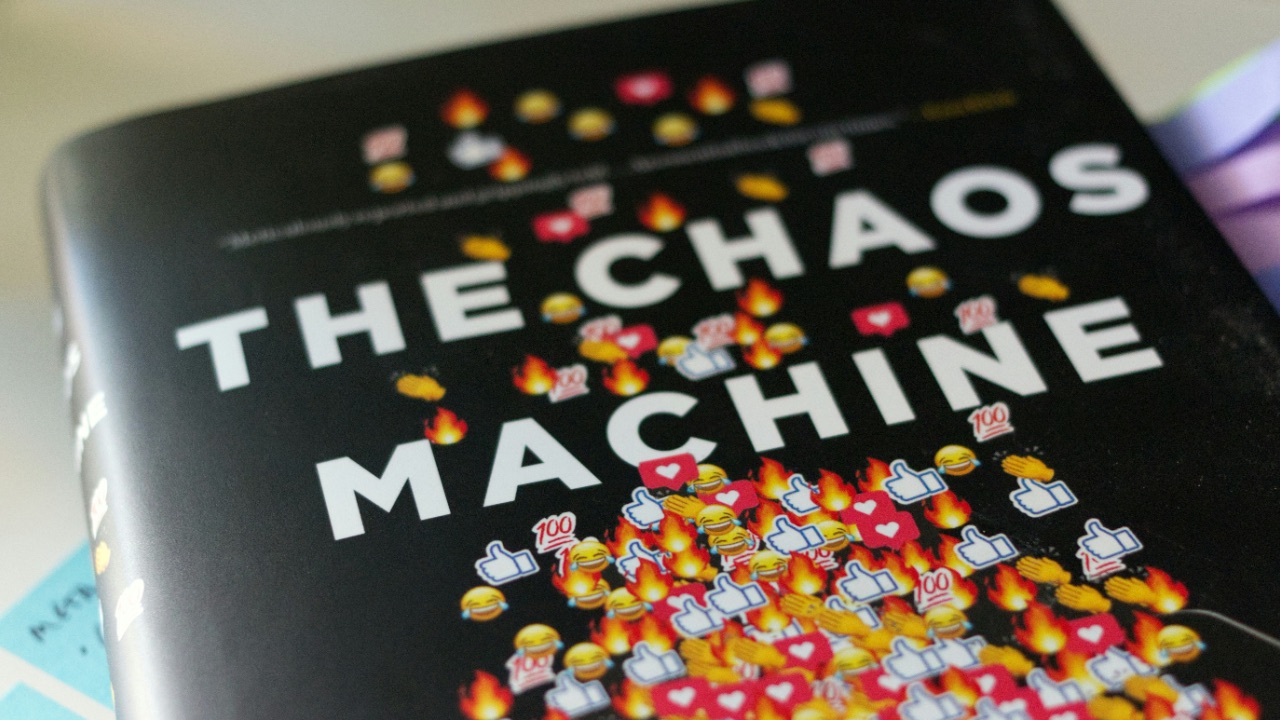
How boards are losing control of AI, even if they think they are not
Artificial intelligence is no longer a future issue for leadership teams to prepare for. It is already shaping decisions, workflows and behaviour across organisations, often without clear oversight.
This latest blog explores the growing gap between what boards think they control and what is actually happening on the ground. From marketing and HR to finance and customer operations, AI is being adopted quickly, quietly and, in many cases, without a governance model strong enough to keep pace.
It is a timely read for leaders who want to understand why traditional oversight is no longer enough, where the biggest blind spots are emerging, and why waiting for regulation is unlikely to solve the problem.
If you are involved in governance, risk or strategic leadership, this is well worth your time.

Coffee Break Listen
What does it really take to become digital-first?
In this podcast episode, former Pearson CEO John Fallon joins Helen for a grounded conversation about transformation, leadership and the realities of change inside established organisations. Together, they explore why customers set the pace, how incumbents can reinvent without losing what matters, and why purpose still matters when business models shift.
It is a thoughtful listen for leaders navigating uncertainty, especially those trying to balance innovation with clarity, culture and long-term value.
Enjoyed reading this?
Sign up to get it delivered to you monthly